
The Problem
For more than a decade, communities across Cameroon’s North-West and South-West Regions have lived under the shadow of armed conflict. Youths vulnerability and involvement in this armed violence are leading to deaths, trauma, displacements, destruction of property, and horrendous abuses of human rights. Many of these young people carry heavy burdens of trauma, grief, addiction, and hopelessness. A non‑residential program alone cannot adequately address their complex psychosocial needs.

The Solution
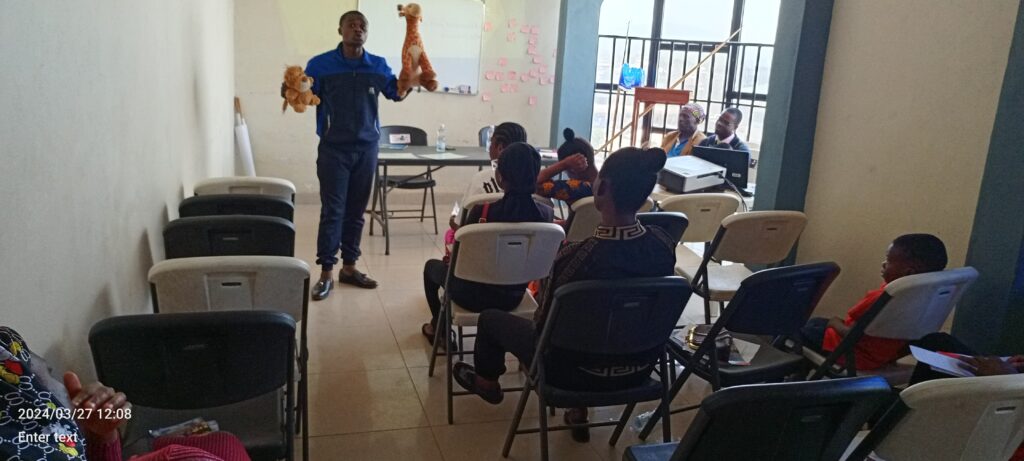
The residential model at Ndabuchiseh is designed to provide intensive, holistic care for youth who have been deeply affected by the ongoing armed conflict in Cameroon’s Anglophone regions.
1. Intensive Healing Environment
- Youth selected for the residential program require close, daily psychosocial support.
- Living together in a safe, structured environment allows for continuous counselling, trauma recovery, and peer support.
- The residential setting removes them from harmful influences and unstable environments, creating space for healing and transformation.
- Addressing Trauma and Addictions
- Many participants have lost loved ones, witnessed violence, or endured displacement.
- Some struggle with substance abuse or destructive coping mechanisms.
- A residential program ensures consistent monitoring, therapeutic interventions, and mentorship to break cycles of trauma and addiction.
- Building Resilience and Community
- Shared living fosters solidarity, empathy, and mutual accountability among participants.
- Youth learn to rebuild trust, practice dialogue, and form healthy relationships—skills that are essential for peacebuilding.
- The program creates a micro‑community of peace ambassadors who support one another and model reconciliation.
- Comprehensive Skill Development
- Beyond psychosocial care, the residential program integrates vocational training, entrepreneurship, and peace education in a highly immersive format.
- Daily routines, workshops, and mentorship sessions ensure deeper learning and stronger retention of skills.
- Graduates leave not only healed but also equipped with practical tools for self‑reliance and leadership.
- Long‑Term Impact
- Intensive residential care produces more resilient, confident, and purpose‑driven youth.
- These graduates are better prepared to reintegrate into their communities as peacebuilders, entrepreneurs, and mentors.
- The ripple effect is significant: each healed youth becomes a beacon of hope, reaching others who are still trapped in trauma and violence.
.